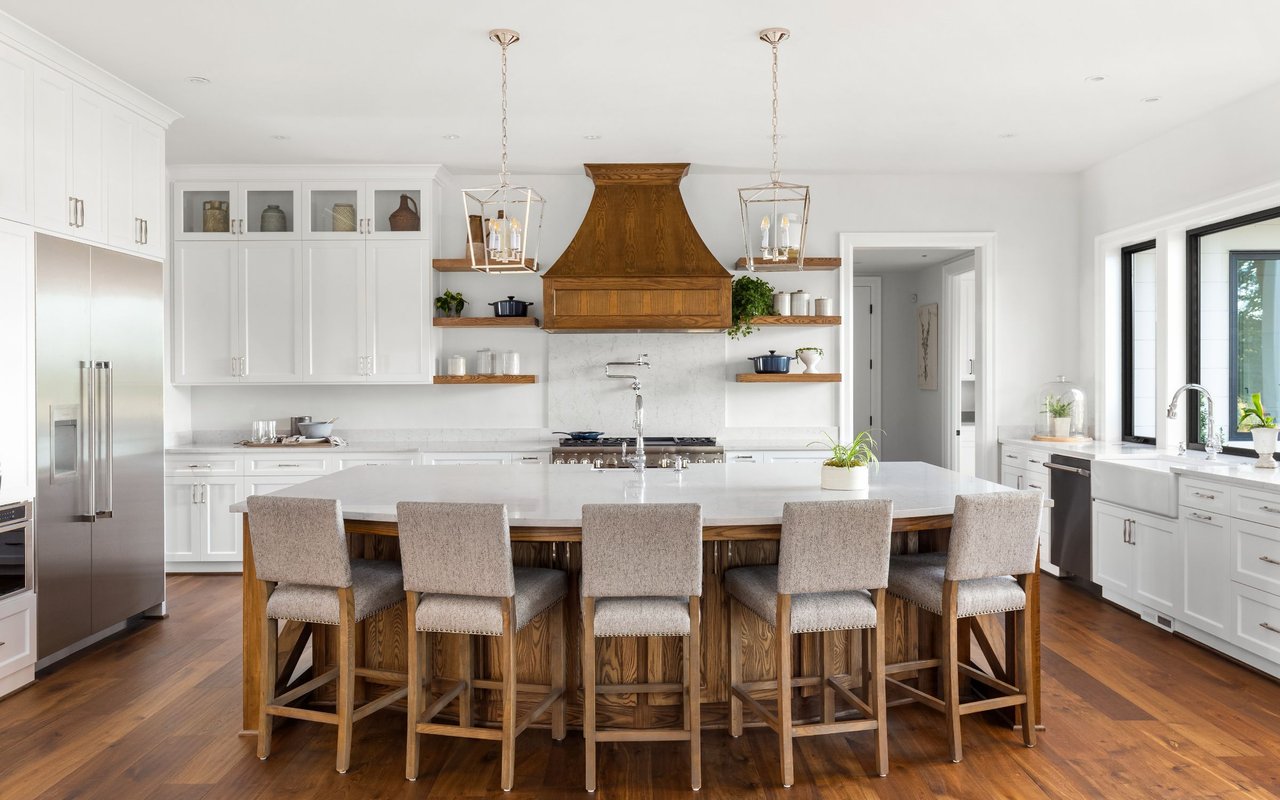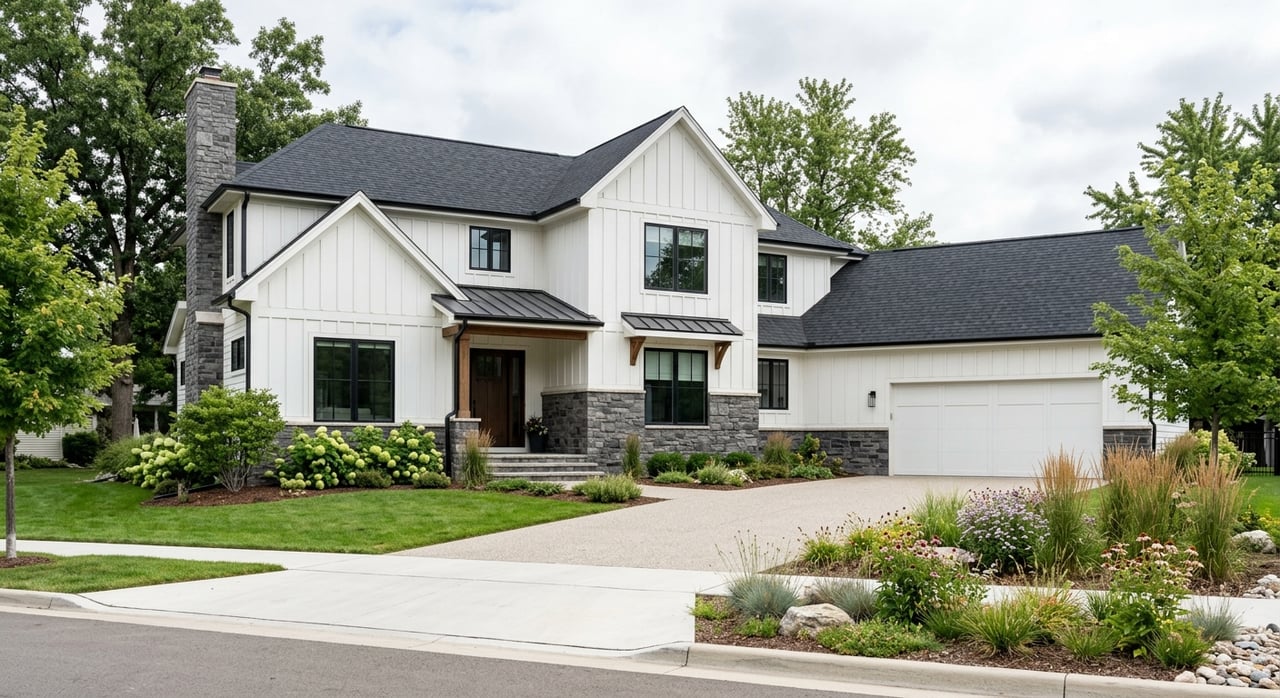
If you want to stay close to Madison but still have more breathing room, Fitchburg deserves a serious look. For many buyers, the challenge is finding a location that balances commute convenience, housing variety, and everyday lifestyle. This guide will help you understand what living in Fitchburg, WI looks like, what types of homes you may find, and what to pay attention to before you buy. Let’s dive in.
Why buyers choose Fitchburg
Fitchburg sits directly south of Madison and covers about 35 square miles, giving it a different feel than a smaller, fully built-out suburb. According to the City of Fitchburg, the city spans rolling farmland to more contemporary urban settings, and the U.S. Census Bureau estimated its population at 34,357 in 2024.
That growth matters when you are choosing where to buy. A city that is actively planning for change can offer more housing variety, ongoing infrastructure improvements, and new amenities over time. Fitchburg’s Comprehensive Plan 2030 is specifically designed to guide where and how growth happens.
Fitchburg housing options
One of Fitchburg’s biggest strengths is that it does not offer just one type of housing. Based on the city’s 2019 Housing Plan, about 42% of housing units are single-family detached homes, while about 33% are in larger multifamily buildings with 10 or more units. The rest include townhomes, duplexes, smaller multifamily properties, and mobile homes.
For buyers, that means you can compare very different lifestyles within the same city. Some parts of Fitchburg feel more like traditional single-family neighborhoods, while others are newer, denser, and more mixed-use. This variety can be helpful if you want flexibility on price point, maintenance level, or housing style.
Current Census estimates in the same housing data show that 47.6% of units are owner-occupied. The median value of owner-occupied homes is $417,200, median gross rent is $1,373, and median selected monthly owner costs are $2,384 with a mortgage and $1,073 without one.
Neighborhood patterns to know
Fitchburg can feel different from one area to the next, so it helps to understand broad neighborhood patterns before you start touring homes. The city’s housing plan identifies mixed-housing areas such as Hatchery Hill, Nine Springs, Stoner Prairie, and Terravessa. These areas reflect the city’s broader focus on varied housing types, access to parks, and neighborhood gathering places.
The same housing plan notes that the North Fish Hatchery Road corridor includes many rental apartments and older buildings, including housing built before 1980. It also notes that much of Fitchburg’s rental stock was built before 2000, with nearly half built before 1980.
That does not make one area better or worse than another. It simply means you should expect different housing ages, densities, and surroundings depending on where you look. When our team helps buyers compare Fitchburg homes, this is one of the biggest factors we talk through because block-by-block differences can shape your day-to-day experience.
Parks and outdoor lifestyle
If trail access and outdoor time matter to you, Fitchburg stands out. The city says it offers about 818 acres of parkland, open spaces, and recreation trailsacross at least 95 different areas, plus nearby access to open space connected to county, university, state, and federal lands.
That kind of access can shape your routine in a real way. Instead of driving across town to get outside, you may have easier access to walking, biking, and recreation closer to home. For many buyers, that is one of Fitchburg’s clearest lifestyle advantages.
Fitchburg trail access
Fitchburg identifies four major commuter routes for bicyclists and pedestrians: the Capital City State Trail, Military Ridge State Trail, SW Commuter Path, and Badger State Trail.If you like the idea of connecting recreation with commuting or just want more ways to move around the area, this trail network is a major plus.
Quarry Ridge Recreation Area is another standout feature. The city says it connects directly to the Military Ridge and Capital City trails and includes more than three miles of off-road mountain bike trails.
McGaw Park amenities
For more traditional park amenities, McGaw Park is the city’s largest park. City records list ball fields, pickleball courts, tennis courts, volleyball, basketball, playground equipment, a bike and pedestrian path, and a 1.5-mile trail through 30 acres of woodland.
If you want a community where recreation is built into everyday life, Fitchburg gives you a lot to work with. That can be especially useful when you are comparing it to other Madison-area communities with a different land-use pattern.
Commute and transportation
For many buyers, Fitchburg’s location is the headline. The city says it is within minutes of the State Capitol, the University of Wisconsin-Madison, and both the east and west sides of Madison. It is also served by Madison Metro Bus Service, and access to Interstates 39/90 and 94 is about 7 miles.
Census estimates put the mean travel time to work at 18.9 minutes. Of course, your actual commute depends on where you work and what part of Fitchburg you choose, but that number helps give a general sense of convenience.
Transit is also worth watching if long-term mobility matters to you. Fitchburg’s bus routes page says the city partners with Madison Metro and notes that Route B is being redesigned as the next phase of bus rapid transit, with opening expected in 2028.
Schools and address research
If school district boundaries are part of your search, do not assume all Fitchburg addresses fall into the same district. According to the city’s schools information page, Fitchburg lies within three districts: Madison, Oregon, and Verona.
That is an important detail because district boundaries can affect your home search more than city limits do. If a specific district matters to you, make sure you verify the attendance area for each property address before writing an offer.
What buyers should weigh before purchasing
Buying in Fitchburg is not just about whether you like a home. It is also about matching the right area and property type to your goals. Because the city includes older corridors, newer mixed-housing areas, and traditional single-family sections, your best fit depends on what matters most to you.
Here are a few smart questions to ask as you compare homes:
- Do you want a traditional single-family setting or a more mixed-use area?
- How important is trail access for your daily routine?
- Is bus service or future transit expansion part of your decision?
- Do you prefer newer housing, or are you comfortable with an older home or older surrounding housing stock?
- Do you need to verify a specific school district for a particular address?
These questions can help you narrow your search faster and avoid chasing homes that look good online but do not fit how you actually want to live.
Fitchburg resale considerations
No one can predict the future, but buyers can still look for useful signals. Fitchburg’s planning documents show a city that is actively thinking about growth, redevelopment, transportation, and housing diversity. The city’s Regional Housing Strategic Action Plan and Comprehensive Plan both point to ongoing housing initiatives and development planning through 2030.
For resale, that can matter. Homes with strong trail access, convenient transportation links, and proximity to newer mixed-housing neighborhoods may appeal to a wide range of future buyers. At the same time, homes in older apartment-heavy corridors may be more influenced by reinvestment trends and surrounding area changes over time.
This is where local guidance helps. A home can be the right purchase on paper but still be a weaker fit for your long-term goals if the surrounding location does not match how you plan to use it or how long you expect to stay.
Is Fitchburg right for you?
Fitchburg is a strong option if you want a Madison-area location with room to grow, easy access to trails and parks, and a mix of older and newer housing choices. It offers a more varied housing landscape than some buyers expect, and that flexibility can be a real advantage when you are trying to balance budget, commute, and lifestyle.
If you are thinking about buying in Fitchburg, the key is to go beyond city-level averages and compare specific areas carefully. The right strategy is not just finding a home in Fitchburg. It is finding the right part of Fitchburg for the way you live.
If you want help sorting through Fitchburg neighborhoods, comparing housing options, and building a smart buying plan, connect with MHB Real Estate. Our team helps buyers move with more clarity, better local insight, and a process that stays organized from search to closing.
FAQs
What is it like living in Fitchburg, WI?
- Fitchburg offers a mix of suburban and more urban-style development, with access to parks, trails, varied housing options, and convenient proximity to Madison.
What types of homes can you buy in Fitchburg, WI?
- Buyers can find single-family homes, townhomes, duplexes, smaller multifamily properties, and housing in larger multifamily buildings, depending on the area.
How far is Fitchburg, WI from Madison?
- Fitchburg sits directly south of Madison, and the city says it is within minutes of the State Capitol, UW-Madison, and both the east and west sides of Madison.
What should buyers know about Fitchburg, WI school districts?
- Fitchburg is served by the Madison, Oregon, and Verona school districts, so you should verify the district assignment for any specific address.
Does Fitchburg, WI have good parks and trails?
- Yes. Fitchburg says it has about 818 acres of parkland, open spaces, and recreation trails, along with access to major trail routes and recreation areas like Quarry Ridge and McGaw Park.
Is Fitchburg, WI a good place to buy a home for resale?
- Buyers may see long-term appeal in areas with trail access, transportation convenience, and proximity to newer mixed-housing development, though resale potential always depends on the specific property and location.