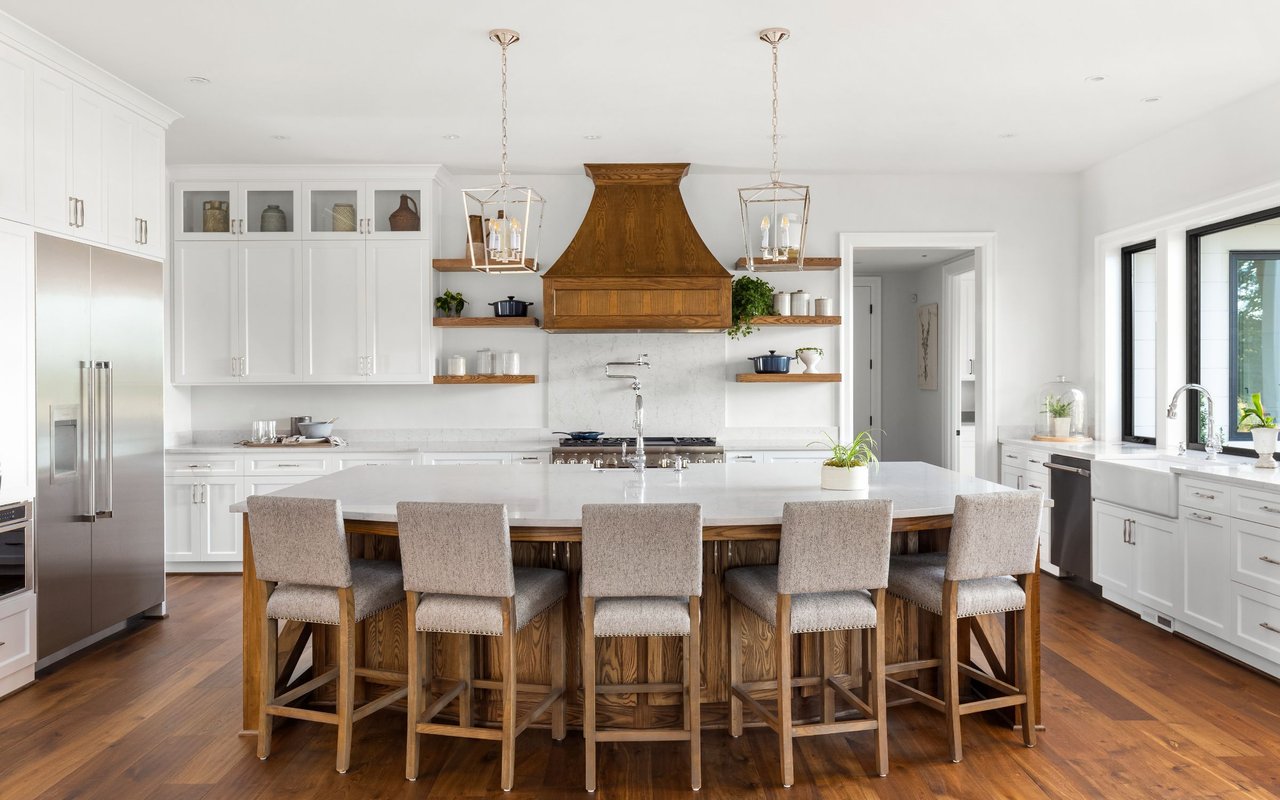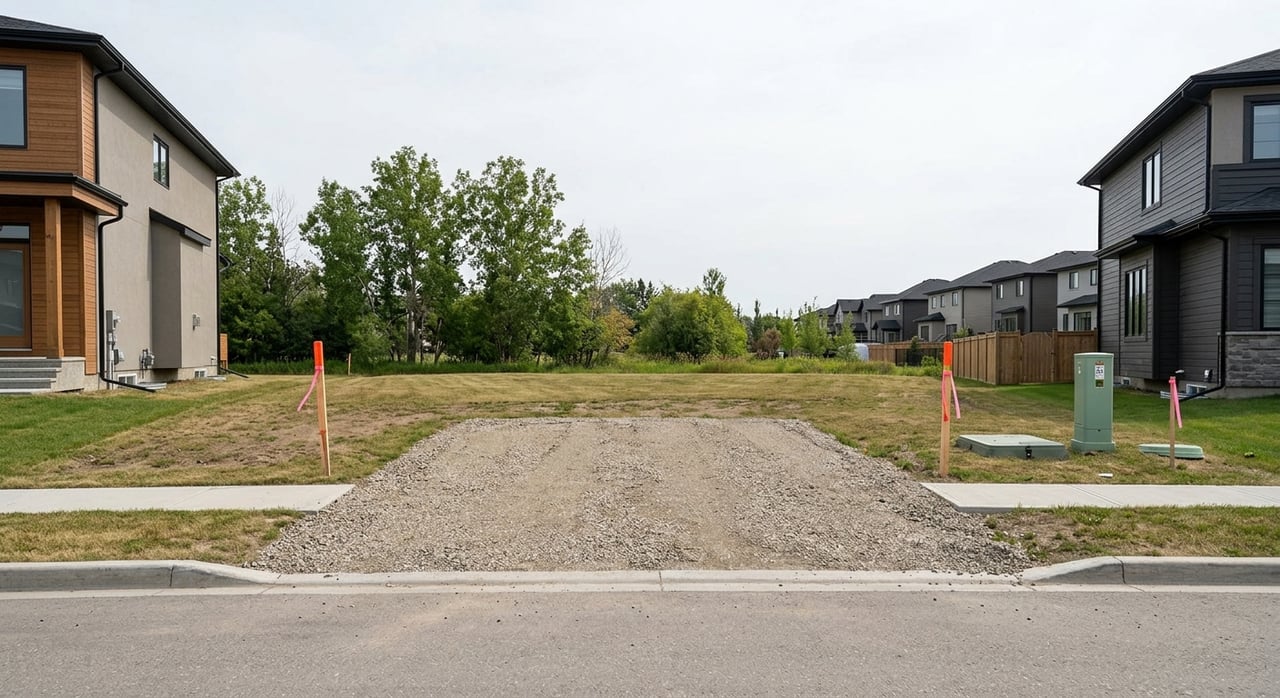
Thinking about building instead of buying resale? In a place like Black Diamond near Dodgeville, that can give you more control over your home, your layout, and your lot. It also comes with a different checklist than a typical home purchase, especially when you are dealing with private well and septic, driveway approvals, and local permit sequencing. If you are considering a lot in Black Diamond, here is what you should know before you move forward. Let’s dive in.
What Black Diamond looks like today
Current listing information describes Black Diamond as a 19-lot subdivision in the Town of Dodgeville with a Dodgeville mailing address. Listings also indicate single-family zoning and lot sizes of about 2 acres each, which fits the appeal of a rural custom-home setting.
One of the biggest draws for many buyers is flexibility. Current listing data indicates there is no specific builder requirement, which suggests a bring-your-own-builder setup for at least some of the available lots.
The same listing information points to a utility setup that is common for rural builds. Utilities shown as available include natural gas, electricity, telephone, and cable, while the lots also appear to require a private well and private, non-municipal wastewater disposal system.
Why due diligence matters first
Before you fall in love with a floor plan, make sure the lot can support it. With a custom build, the land itself can shape your budget, timeline, and even the type of home you can build.
The Town of Dodgeville subdivision ordinance states that a lot or parcel cannot be created or sold unless it has access to a road or a recorded right-of-way. The ordinance also requires utility easements where needed, including easements along rear or side lot lines that are at least 6 feet wide on each side of lot lines.
If a subdivision uses private water or private sewage disposal systems, the ordinance requires soils reports as part of the submission package. For you as a buyer, that is a reminder to confirm what testing and documentation already exists for the lot and what your builder may still need before construction starts.
Questions to verify before you buy a lot
A custom lot purchase should come with a practical checklist. In Black Diamond, these are some of the most important items to confirm early.
Confirm access and road details
This is one area where buyers should slow down and verify. Current listing pages are not fully consistent on road conditions and maintenance. Some describe the road as gravel, while listing remarks elsewhere say blacktop road maintained by the township.
Because of that mismatch, you should verify the recorded plat, road acceptance status, and seller disclosures instead of relying on one syndicated listing description. If access is by a private shared driveway rather than a dedicated public street, the Town of Dodgeville ordinance defines a driveway maintenance agreement, which means maintenance responsibility should be documented in the land records.
Confirm builder flexibility
If using your own builder matters to you, verify it in writing during the transaction. Current listing data says “Specific Builder Required: No,” but you should still confirm that there are no recorded restrictions, private covenants, or seller conditions that affect your plans.
Confirm utility assumptions
Listings indicate that private systems will likely be part of the build process. That means you should plan around a private well and private septic system, not city water and sewer.
This can affect design, site layout, and timeline. It is smart to confirm where utilities are located, what site work may be needed, and whether your home plans fit the lot’s conditions.
Confirm permit path and paperwork
Iowa County’s Planning & Development office lists several forms and resources relevant to rural lot buyers, including:
- CSM & Plat Review Application
- Sanitary Permit Application
- Zoning, Floodplain & Shoreland Permit Application Packet
- Private Septic Systems resources
That gives you a practical starting point for checking whether the lot can support the home and site plan you have in mind.
Understanding the permit sequence
One of the easiest ways to lose time on a custom build is getting the order wrong. In the Town of Dodgeville, the process has a clear sequence that matters.
The town’s building permit information says you must obtain a zoning permit from Iowa County Planning & Development before a building permit is issued. In other words, county zoning review comes first.
Driveway approval is another key step. The Town of Dodgeville requires a driveway permit for all driveways built in the town. The permit application must include a driveway plan, and if the driveway connects to a town road, the town inspector determines culvert and ditch details.
If the driveway accesses a county or state road, approval from the appropriate highway authority is required. The driveway permit is valid for one year, with a one-year extension available if requested in writing before it expires.
This step is more important than many buyers realize. The ordinance says the town office must be notified after the driveway is built, the inspector must complete final inspection within four working days, and the county will not issue the certificate of compliance needed to occupy the structure until town driveway approval has been issued.
Private septic and well planning
On a rural lot, septic and well planning are not side tasks. They are central parts of the project.
For septic, Iowa County provides a Sanitary Permit Application Form, and the state sanitary permit application indicates that submission to the appropriate governmental unit is required before obtaining a sanitary permit. The form asks for the subdivision name, lot and block information, and system type, which shows how closely the system design is tied to the specific property.
For wells, the Wisconsin DNR says private well owners are largely responsible for protection and maintenance, and owners must obtain a notification number before constructing a well. The Wisconsin Department of Health Services recommends testing private wells for bacteria and nitrate at least annually and testing for arsenic and lead at least once every five years.
Iowa County’s Health Department also offers local private-well water testing. If you are building in Black Diamond, that makes ongoing well stewardship part of homeownership from day one.
A realistic custom-build timeline
Most buyers want to know one thing early: how long will this take? The answer depends on your lot, builder, weather, and how quickly pre-construction items get resolved.
National homebuilding data cited in the research report shows the average time to complete a single-family home in the U.S. was 10.1 months in 2023, while homes built for sale averaged 8.9 months. For a lot like Black Diamond, the pre-construction phase may take on added importance because of lot-specific approvals and rural utility planning.
A practical way to think about the process is in five stages.
1. Lot due diligence and offer
Before closing on the lot, verify:
- Access and right-of-way details
- Easements
- Builder requirements or restrictions
- Utility assumptions
- Road status and maintenance responsibility
This is the stage where good questions can save you time and money later.
2. Design and engineering
Once the lot is secured, your team typically moves into design and planning. That can include the floor plan, survey work, soils work, and coordination tied to utilities and site layout.
On rural lots, this phase often has a bigger role than buyers expect. Home placement, septic layout, driveway routing, and grading can all affect the final plan.
3. Permits and approvals
Expect this phase to include county zoning, septic-related approvals, well notification, driveway permit approval, and then the town building permit. Because these steps are connected, delays in one area can affect the entire timeline.
This is also where a process-driven approach helps. The more clearly your builder and transaction team track these steps, the fewer surprises you are likely to face.
4. Site work and foundation
This phase usually includes driveway installation, excavation, utility work, footings, foundation work, and backfill. On a custom lot, site conditions can shape both cost and timing.
If weather shifts or field conditions are different than expected, this stage can stretch.
5. Framing through move-in
After the foundation, the project typically moves through framing, rough-ins, exterior work, interior finishes, final grading, and punch-list items. This is the part of the process most buyers picture, but it is only one part of the overall schedule.
In Black Diamond, getting the lot and permit work lined up well may be what determines how smoothly the rest of the build goes.
How to approach a Black Diamond lot confidently
If you are considering building in Black Diamond, the opportunity is straightforward: you may be able to secure a roughly 2-acre homesite in a small subdivision and work with the builder you choose. For many buyers, that is an appealing mix of space and flexibility.
The key is to stay process-driven. Verify the road and access details, confirm builder rules, understand the private well and septic requirements, and map out the county and town permit sequence before you commit to deadlines or construction start assumptions.
That is where an experienced real estate team can help keep things organized. When a purchase involves land, builder coordination, and multiple approval steps, clear guidance matters.
If you are exploring lots in Dodgeville’s Black Diamond or comparing other buildable properties in the area, MHB Real Estate can help you think through the process, ask the right questions, and move forward with a clear plan.
FAQs
Can you bring your own builder in Black Diamond?
- Current listing data indicates no specific builder is required, but you should verify that in writing and confirm there are no recorded restrictions affecting your lot.
Does Black Diamond have city water and sewer?
- Current listing information indicates private well and private, non-municipal wastewater disposal are required, so buyers should plan for private systems rather than municipal utilities.
Who maintains the road in Black Diamond?
- Buyers should verify before purchasing because current listing pages are not fully consistent on whether the road is gravel or blacktop and how maintenance is handled.
What permits are needed to build in Black Diamond?
- Expect a sequence that includes Iowa County zoning review first, followed by applicable septic and well steps, driveway permit approval, and then the Town of Dodgeville building permit.
Why is driveway approval important for a Dodgeville custom build?
- The Town of Dodgeville requires a driveway permit for all driveways, and the county will not issue the certificate of compliance needed for occupancy until town driveway approval has been issued.
How long does it take to build a custom home in Black Diamond?
- Build times vary, but national data cited in the research report shows an average of 10.1 months to complete a single-family home in 2023, and rural lot due diligence and permitting can make pre-construction especially important.