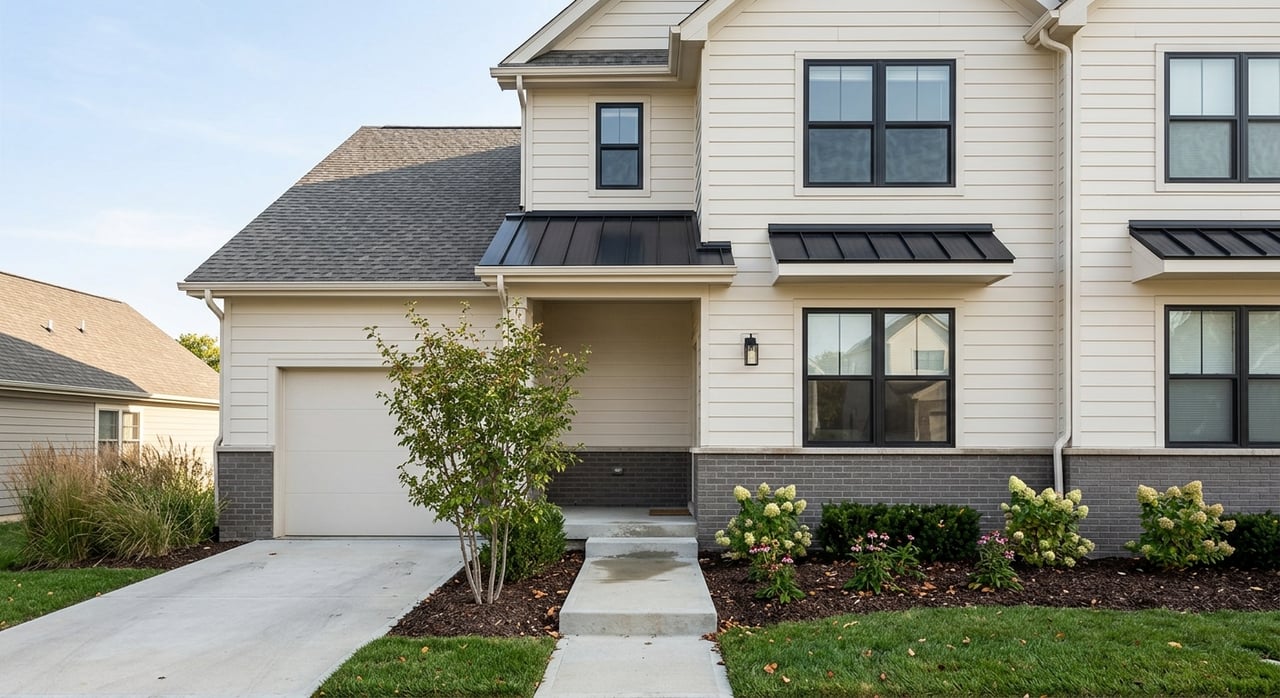
Wondering whether a Madison condo or a suburban home is the smarter move? You are not alone. In a competitive Dane County market, the right choice often comes down to how you want to live day to day, how much upkeep you want, and what you want your budget to do for you. This guide breaks down the real tradeoffs so you can make a confident decision. Let’s dive in.
Madison market snapshot
Madison remains a competitive market. Over the three months ending May 2026, the median sale price was $439,737, homes sold in 41 days on average, and buyers averaged 3 offers.
Condos sit in a different price range. There are currently 118 condos for sale in Madison at a median listing price of $290K, which puts them well below the broader city sale median.
Nearby suburbs are generally pricier on a median-sale basis. Middleton sits at $559,165, Verona at $477,164, and Fitchburg at $479,663, with market pace closer to 55 to 59 days than central Madison.
That price gap matters. If you are choosing between a condo in Madison and a detached home in the suburbs, you are often comparing lower asking prices and less direct upkeep against more private space and more owner control.
When a Madison condo makes sense
A condo can be a strong fit if you want to stay closer to Madison’s core and keep your day-to-day maintenance lighter. For many buyers, the appeal is simple: a lower entry price, easier access to central destinations, and fewer exterior chores to manage yourself.
Madison is considered moderately walkable, with a Walk Score of 50. Current condo inventory includes options in areas such as Downtown Madison, Marquette, Near East Madison, and Near West Madison, which gives buyers a mix of urban and west-side choices.
Transit is another reason condos can work well. Metro Transit’s route network is densest in the city, and Rapid Route A runs every 15 minutes on weekdays and Saturdays and every 30 minutes on Sundays and holidays.
If your priorities are downtown access, lower asking price, and less exterior maintenance, a Madison condo may check the right boxes.
Condo lifestyle tradeoffs
Condo living usually shifts some maintenance away from you and onto the association. That can mean less direct responsibility for big-ticket common-element repairs such as roofs, siding, driveways, and parking areas.
But that convenience is not free. Instead of handling everything on your own, you take on monthly dues, shared reserve planning, and association rules.
That is why the monthly payment is only part of the picture. You also want to understand the health of the association, how reserves are funded, and how decisions are made.
When a suburban home makes sense
A suburban home often fits buyers who want more private space and more control over the property. If you want a detached house, your own yard, and fewer shared rules, the suburbs may feel like a better long-term match.
In nearby Dane County communities, median sale prices are currently higher than Madison condo asking prices. Middleton, Verona, and Fitchburg all sit well above the current Madison condo median listing price, which reflects the premium many buyers pay for detached space.
A suburban home can also make sense if your routine depends less on central-city access and more on home layout, storage, parking, or outdoor space. In that case, paying more may still feel worth it because the home supports how you live every day.
If your priorities are more space, more privacy, and more direct control, a suburban home is usually the better fit.
Suburban home tradeoffs
More control also means more responsibility. With a detached home, you are typically the one planning for exterior repairs, seasonal upkeep, and long-term maintenance costs.
That can be a positive if you like making your own decisions without shared governance. But it also means you need to budget for the work that a condo association might otherwise handle through dues and reserve funding.
Some townhomes and HOA-governed homes land somewhere in the middle. The exact split of responsibilities depends on the recorded documents, so it is worth reviewing those carefully before you decide.
Commute matters less than route
A lot of buyers assume suburban living automatically means a much worse commute. In the Madison area, that is not always true.
Average commute times are fairly close across the metro: Madison is 19.4 minutes, Dane County is 20.6 minutes, Middleton is 20.1 minutes, Verona is 17.9 minutes, Fitchburg is 20.2 minutes, and Monona is 19.5 minutes. That tells you the better question is not just distance. It is how reliable your exact route is on a normal weekday.
If you work downtown or want stronger transit access, central Madison has an edge because Metro service is denser there. Metro also serves Madison, Fitchburg, Monona, Verona, Middleton, and Sun Prairie, but suburban service is more route-specific.
Before you choose, test the real routine. Look at your drive time, traffic pinch points, parking situation, and whether transit is a realistic backup option.
Look beyond the sticker price
The easiest mistake in this decision is comparing only list price versus sale price. A smarter comparison looks at the full cost of ownership.
For a condo, that means more than principal, interest, taxes, and insurance. You also need to understand HOA dues, reserve strength, parking arrangements, and any unpaid assessments or shared expenses that may affect your budget.
For a suburban home, the cost picture shifts. You may not have condo dues, but you are more directly responsible for maintenance, repairs, and long-term replacement planning.
That is why two homes with different price points can still feel surprisingly close, or far apart, once you compare the full monthly and annual cost.
Condo due diligence in Wisconsin
If you are considering a condo in Madison, document review is a big part of the process. In Wisconsin, buyers should review the full condo disclosure packet, not just the unit itself.
According to the Wisconsin Realtors Association condo guide, that packet typically includes the declaration, bylaws, rules, management contracts, annual operating budget, leases, expansion plans, unit floor plan and common elements, and the executive summary. These materials should be furnished no later than 15 days before closing, with a 5-business-day rescission right in certain cases after receipt.
A strong condo review also includes practical financial questions. The Wisconsin Realtors Association executive-summary materials reinforce the value of requesting association financial statements, meeting minutes, current insurance certificates, reserve-account statements and balances, unpaid assessment statements, and any master-association documents.
This is where process matters. Monthly dues can look manageable at first glance, but the deeper story is in the reserves, the documents, and the association’s overall financial picture.
A simple decision checklist
If you are stuck between the two options, use this checklist to focus on what actually matters:
- Purchase price: Which option fits your budget more comfortably today?
- Monthly costs: What do dues, maintenance, and ongoing ownership costs look like?
- Reserve strength: If it is a condo, how prepared is the association for major repairs?
- Parking: Do your day-to-day parking needs match the property setup?
- Commute: How reliable is the route during a normal workweek?
- Maintenance style: Do you want fewer exterior chores or more direct control?
- Space needs: Are you paying for room you will use, or sacrificing space you need?
You do not need a perfect answer on every point. You just need clarity on which tradeoffs matter most to you.
How to choose with confidence
In this market, there is no one-size-fits-all answer. A Madison condo is often the better fit if you want central access, fewer exterior chores, and a lower asking price. A suburban home is often the better fit if you want more private space and more control over the property.
The key is making an apples-to-apples comparison. Look at your total cost, your real commute, your maintenance tolerance, and the kind of daily routine you want.
At MHB, our team helps buyers sort through these decisions with a practical, step-by-step approach. If you want help comparing condos and suburban homes around Madison and Dane County, MHB Real Estate is here to help.
FAQs
What is the main difference between a Madison condo and a suburban home?
- A Madison condo often offers a lower asking price, easier access to central Madison, and less direct exterior maintenance, while a suburban home usually offers more private space and more owner control.
How much do Madison condos cost compared with nearby suburbs?
- Madison condos currently have a median listing price of $290K, while nearby suburban median sale prices are higher, including Middleton at $559,165, Verona at $477,164, and Fitchburg at $479,663.
Are commutes from Madison and Dane County suburbs very different?
- Average commute times are fairly similar across the area, so your exact route, traffic pattern, parking, and transit access usually matter more than city-versus-suburb assumptions.
What condo documents should Wisconsin buyers review before closing?
- Buyers should review the full condo disclosure packet, which may include the declaration, bylaws, rules, management contracts, annual budget, leases, expansion plans, floor plan, common elements, and executive summary.
What costs should buyers compare when choosing a condo or suburban home in Madison?
- Buyers should compare purchase price, HOA dues, reserve strength, parking, commute, and how much hands-on maintenance they are willing to take on.
Does condo living in Madison mean less maintenance?
- Usually yes, because some maintenance of common elements shifts to the association, but that tradeoff comes with dues, shared governance, and the need to review reserves and association finances carefully.