Thinking about trading Madison’s city pace for Waunakee’s smaller-town feel? It is a move a lot of Dane County buyers consider when they want to stay close to Madison but change how daily life feels. If you are weighing that move, this guide will help you understand what really changes, what stays convenient, and how to plan your next steps with fewer surprises. Let’s dive in.
How Waunakee Feels Different
The biggest change is scale. Madison had an estimated population of 285,300, while Waunakee was estimated at 16,363 in 2024. That gap shapes everything from traffic patterns to how often you see familiar faces around town.
Waunakee also leans more toward homeownership and detached housing. Census data shows an owner-occupied rate of 77.4% in Waunakee compared with 46.0% in Madison. That tends to create a different day-to-day rhythm if you are used to Madison’s mix of apartments, condos, and urban neighborhoods.
If you are moving with kids, or planning for more space, the age mix stands out too. Residents under 18 make up 29.3% of Waunakee’s population, compared with 16.3% in Madison. That helps explain why many buyers see Waunakee as a practical move when they want more room and a community that feels less dense.
What Daily Life Looks Like
Waunakee’s official village materials describe a newly renovated downtown with unique shops and restaurants, along with a vibrant but relaxed atmosphere. Madison is still a short drive away, so you are not giving up access to a larger city. You are just shifting your home base.
The village also puts real resources into parks and community spaces. Its park system covers a broad network of public spaces, and the Village Center includes fitness space, a walking track, arts and crafts areas, meeting rooms, and senior services. For many households, that adds convenience to everyday life without needing to drive into Madison for everything.
Schools are also a major part of why some buyers target Waunakee. The Waunakee Community School District says it serves more than 4,300 students, and its 2024-25 report card page says the district earned a significantly exceeds expectations rating. If schools are one of the reasons you are considering the move, that is a key part of the picture.
Housing in Waunakee
If you are coming from Madison, expect the housing mix to feel different right away. Waunakee’s 2024 housing report says 65% of all housing units are detached single-unit structures. It also says 77% of homeowners live in single-unit homes, which tells you just how strongly the village leans toward detached housing.
That does not mean there are no rental or multifamily options. The village reports 1,264 rental units, and new housing is still being added. In 2024, Waunakee reported 50 single-family permits, 248 potential units from subdivision plats, and 200 new market-rate one- and two-bedroom apartments at Heritage Hills.
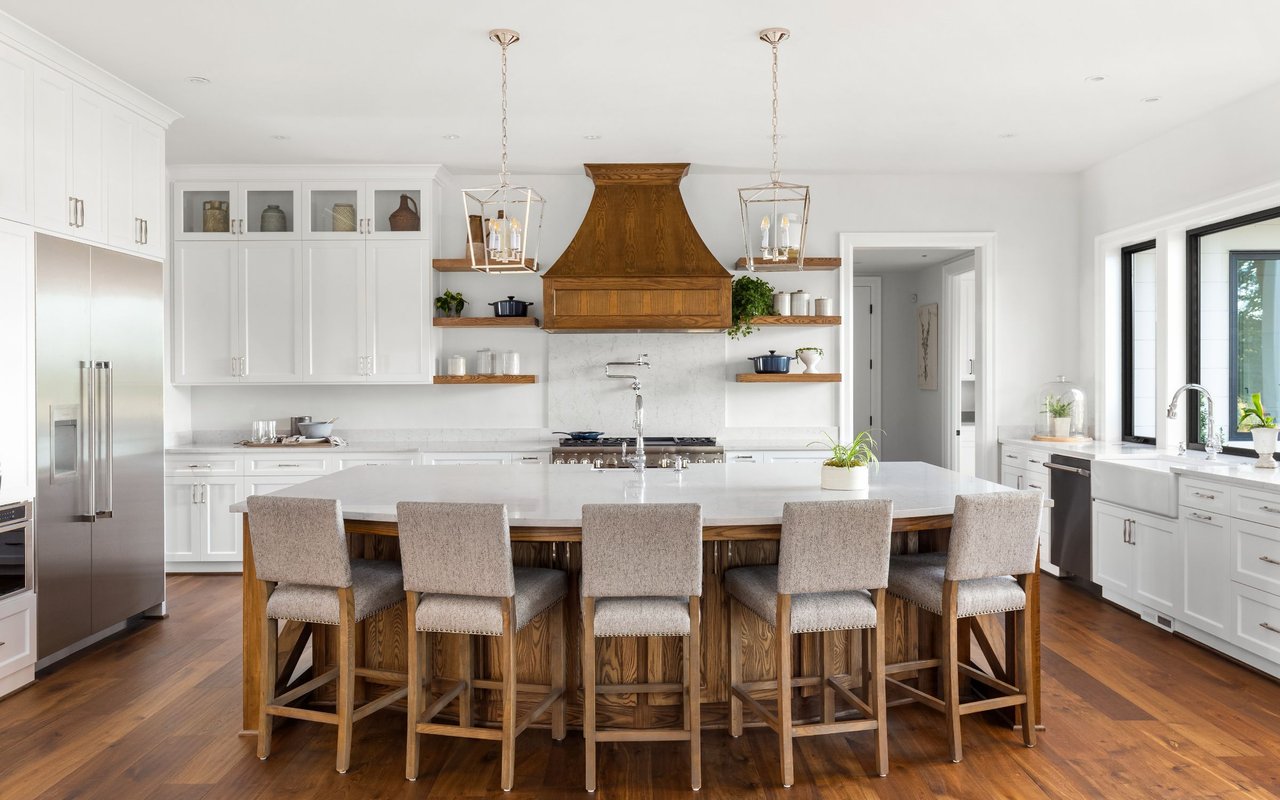
The bigger point is this: you will usually see more detached homes and fewer dense housing choices than you would in Madison. If your goal is a yard, more separation from neighbors, or a home with a more suburban layout, Waunakee may line up well with that preference.
Lot Sizes May Feel Larger
Lot size is one of the details buyers sometimes overlook until they start touring homes. Waunakee’s housing report says R1 districts require a minimum lot size of 9,500 square feet and a minimum lot width of 90 feet. In downtown R3D areas, lots can go down to 6,000 square feet.
That helps explain why some parts of Waunakee feel more spread out than parts of Madison. It also matters for affordability, because the village notes that smaller lot standards can help reduce land cost. If lot size is a priority for you, make sure you compare properties carefully instead of assuming every Waunakee home comes with the same yard setup.
What It Costs to Move
One of the clearest differences between Madison and Waunakee is pricing. Census data shows a median owner-occupied home value of $515,900 in Waunakee compared with $372,900 in Madison. Median monthly owner costs with a mortgage were also higher in Waunakee at $2,735 versus $2,098 in Madison.
That does not mean every Waunakee move costs more across the board. It does mean you should go in expecting that the combination of detached homes, larger lots, and strong demand can push pricing higher. If you are moving for more space, it is smart to define early which tradeoffs matter most to you.
Some buyers decide they are willing to pay more for a detached home and lot size. Others want to stay flexible on home size, age, or location within the village. The earlier you sort that out, the better your search will go.
Commute Expectations From Waunakee
A lot of Madison buyers worry that moving north will add a long suburban commute. In most cases, the change is not that dramatic. Census data puts mean travel time to work at 21.9 minutes in Waunakee and 19.4 minutes in Madison.
That lines up with route estimates that place the Madison-to-Waunakee drive at about 12.6 miles and roughly 21 to 22 minutes by car. Exact timing depends on where you live now, where you are going, and what time of day you travel. Still, for many people, the move keeps commuting in the same general range.
That said, do not assume transportation will work exactly like Madison. Waunakee’s transportation page mainly highlights senior rides, shopping trips, and medical appointment transportation. If you rely on regular transit, verify your plan early before you commit to a move.
Why Timing Matters for Buyers and Sellers
If you are selling in Madison and buying in Waunakee, the move is not just about neighborhoods and home styles. It is also about sequencing. Good planning can make the difference between a smooth transition and a stressful one.
Wisconsin sellers of most one- to four-dwelling-unit properties must provide a real estate condition report. State materials explain that it is due no later than 10 days after acceptance, and buyers may have rescission rights if it is not delivered on time. That is one reason sellers should handle prep and disclosure review before the home goes live.
Official Wisconsin offer materials also note that land, building, room, and acreage figures may be approximate unless verified. They also distinguish between inspections and testing. If lot size is a major reason you are moving to Waunakee, this is worth paying attention to early.
A Smart Move Plan
If you are trying to buy in Waunakee using proceeds from a Madison sale, clear timing matters. A practical plan often includes:
- preparing your Madison home before you start shopping seriously
- reviewing disclosure items early
- talking through financing timing before making offers
- confirming inspection windows and closing dates
- verifying lot size, parcel details, and property characteristics that matter to you
Waunakee is still growing, and its housing supply is still catching up to projected need. The village says it will need 2,386 additional housing units by 2040, or about 159 units per year. That means planning ahead is important, especially if you want a specific home type or timeline.
What Buyers Usually Like Most
For many Madison-area movers, Waunakee hits a middle ground that is hard to find elsewhere. You stay close to Madison, but daily life often feels less dense and more residential. You may also find the housing style better fits what you want at this stage of life.
People are often drawn to Waunakee for a few practical reasons:
- a smaller community feel
- strong homeownership presence
- a housing stock that skews toward detached homes
- parks, civic amenities, and a renovated downtown
- commute times that often remain manageable
Of course, the right fit depends on your priorities. If you want urban density and a wider mix of housing types right outside your door, Madison may still fit better. If you want more space while staying connected to the metro, Waunakee is worth a close look.
How to Decide if Waunakee Fits You
The best way to think about this move is not simply city versus suburb. It is about how you want your day-to-day life to function. Do you want more detached-home options, a different pace, and a community that still keeps Madison within easy reach?
If the answer is yes, Waunakee may feel like a natural next step. The key is to go in with clear expectations about housing costs, lot sizes, commute patterns, and timing. When you understand those pieces early, you can make a cleaner decision and move with more confidence.
If you are planning a move from Madison to Waunakee, our team can help you map out both sides of the transition, from prepping your current home to narrowing down the right fit in Waunakee. Get started with MHB Real Estate.
FAQs
What feels most different when moving from Madison to Waunakee?
- Waunakee generally feels smaller, more homeownership-focused, and more centered on detached housing, parks, downtown amenities, and community spaces than Madison.
What kinds of homes are most common in Waunakee?
- Detached single-family homes are the most common, with the village reporting that 65% of all housing units are detached single-unit structures.
What should Madison buyers know about lot sizes in Waunakee?
- Lot size can be an important difference, since Waunakee’s housing standards include larger minimum lots in some districts, so you should verify parcel details early if yard space matters to you.
What is the commute like from Waunakee to Madison?
- For many people, the commute remains manageable, with census data showing a mean travel time to work of 21.9 minutes in Waunakee compared with 19.4 minutes in Madison.
What should Madison sellers watch when moving to Waunakee?
- Sellers should pay close attention to pre-list prep, condition report timing, disclosure completeness, and how their sale timeline lines up with a Waunakee purchase.
What should Waunakee buyers verify before making an offer?
- Buyers should confirm lot size, parcel details, home type, and any property characteristics that matter to their plans, since official Wisconsin offer materials note that measurements and acreage may be approximate unless verified.