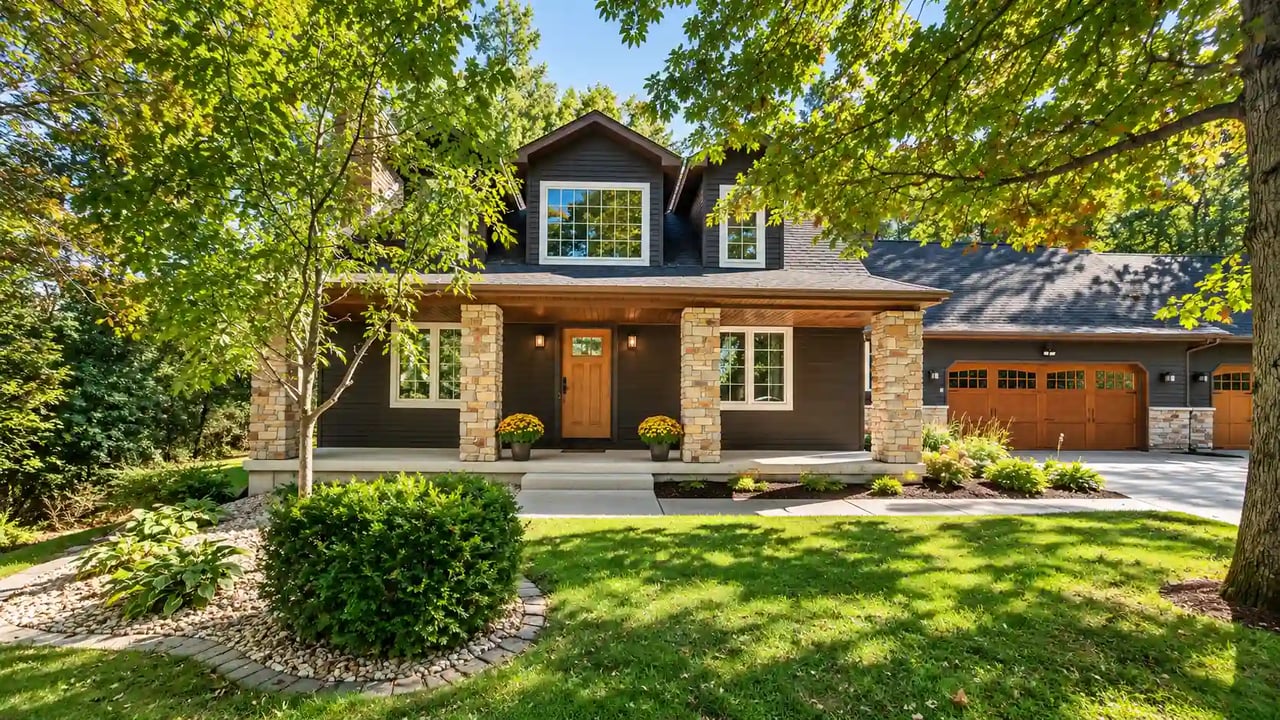
Finding the right home is exciting. But finding it and being ready to buy it are two very different things.
Imagine touring a home in Middleton that checks every box. The location is perfect, the layout works for your lifestyle, and you can already picture yourself moving in. You’re ready to make an offer. There’s just one problem: the lender you spoke with a few months ago only pre-qualified you, and the seller is expecting a pre-approval letter.
Suddenly, instead of focusing on putting together a strong offer, you’re scrambling to get your financing in order.
At MHB Real Estate, we believe buying a home should be about making informed decisions, not reacting to avoidable surprises. That’s why we focus on preparation from the start, helping buyers understand their financing, identify the right properties, and negotiate with a clear strategy.
Pre-Qualification vs. Pre-Approval: What’s the Difference?
Although the terms sound similar, pre-qualification and pre-approval serve different purposes in the homebuying process.
Mortgage pre-qualification is typically an early estimate of how much you may be able to borrow. You provide a lender with basic financial information, such as your income, debts, and estimated savings. Depending on the lender, this information may not be independently verified.
It’s a helpful starting point, especially if you’re just beginning to explore buying a home.
Mortgage pre-approval generally involves a more thorough review of your financial situation. A lender may examine your credit history, income documentation, employment, assets, and existing debts before determining how much they’re tentatively willing to lend.
According to the Consumer Financial Protection Bureau, a pre-approval letter indicates that a lender is tentatively willing to lend you money, subject to certain conditions. The exact process varies by lender, and pre-approval doesn't guarantee final loan approval.
Here’s why that distinction matters: when you’re ready to make an offer on a home in Madison or the surrounding Dane County communities, sellers want confidence that you can follow through with the purchase.
A pre-approval letter helps establish that confidence.
At MHB, we don’t want buyers discovering financing obstacles after they’ve found a home they love. We want them to understand their position before they get there.
Why MHB Real Estate Addresses Pre-Approval at the Very Beginning
A better homebuying experience doesn’t start with scheduling showings. It starts with understanding what matters to you and building a plan around it.
That’s why MHB’s buyer consultation process looks beyond the number of bedrooms and bathrooms you’re hoping to find.
Our Buyer Questionnaire covers the details that shape your home search, including:
- Financial readiness: Your budget, pre-approval status, and preferred lender.
- Current housing situation: Whether you rent, own, or need to sell an existing home before purchasing.
- Timing: When you’re hoping to move and whether your schedule allows flexibility.
- Location priorities: Preferred neighborhoods, school districts, and commuting considerations.
- Property preferences: Everything from home size and lot requirements to architectural style and potential dealbreakers.
These questions aren’t just paperwork. They help us understand how your financing, timeline, and lifestyle fit together.
For example, a first-time buyer in Fitchburg may need guidance on down payments and closing costs. A homeowner moving from Sun Prairie to Waunakee may need to consider how selling their current property affects their ability to buy the next one.
Those situations require different conversations and different considerations.
Rather than treating every buyer the same, we take the time to understand the full picture.
That’s part of what makes MHB different. We don’t believe the process should revolve around what’s most convenient for the agent. It should revolve around what’s right for the client.
Why Pre-Approval Matters in Madison’s Competitive Housing Market
In a competitive housing market, finding a home is only half the challenge. The other half is presenting an offer that gives the seller a compelling reason to choose you.
Across Madison, Verona, Middleton, Sun Prairie, and other Dane County communities, buyers may encounter properties that attract multiple offers. When that happens, sellers don’t look at purchase price alone.
They also consider financing, contingencies, closing timelines, and the likelihood the transaction will close.
A current pre-approval letter can help address one of those concerns.
In fact, MHB’s own Offer Terms materials specifically identify a pre-approval letter as something buyers need to provide alongside their Offer to Purchase.
Our Offer to Purchase Summary also accounts for important financing details, including:
- Loan type, such as conventional, FHA, or VA.
- Down payment amount and percentage.
- Approximate interest rate.
- Financing contingency and loan commitment deadlines.
- Whether the pre-approval letter is included with the offer or will be provided within a specified timeframe.
This is where being prepared makes a meaningful difference.
Instead of tracking down financing information as an offer deadline approaches, we can focus on evaluating the property and structuring an offer that reflects your goals.
And at MHB, that strategy goes well beyond simply recommending a higher purchase price.
A Pre-Approval Letter Is Just One Part of a Stronger Offer Strategy
One of the biggest misconceptions about buying a home in a competitive market is that winning always means offering the most money.
Price certainly matters. But MHB’s approach to competitive offers considers several factors that may make an offer more attractive to a seller.
Our team uses a dedicated competitive offer strategy resource to help buyers understand their options and the trade-offs involved.
Depending on the property, your financial position, and the seller’s priorities, those conversations may include:
1. Purchase Price and Escalation Clauses
An escalation clause lets a buyer’s offer increase under specified conditions if the seller receives a higher competing offer, up to a set maximum.
MHB’s competitive offer materials outline how these clauses can work, including the importance of defining the amount of each increase and the maximum purchase price.
But a higher offer isn’t automatically a better decision. We help buyers think through what they’re comfortable paying and how that number fits their financing.
2. Earnest Money
Earnest money is a good-faith deposit that demonstrates a buyer’s commitment to the purchase.
MHB’s Offer Terms materials note that earnest money is often around 1%–2% of the purchase price, with larger deposits sometimes considered in competitive situations.
Increasing earnest money may strengthen an offer, but it also means understanding when that money could be at risk.
Our job is to help you understand both sides of that decision.
3. Closing Date Flexibility
Sometimes, the seller’s preferred timeline matters as much as the purchase price.
If your financing and circumstances allow it, offering flexibility on the closing date may make your offer more appealing.
This is another reason we discuss your timeline and financial readiness early in the process.
4. Inspection and Appraisal Contingencies
MHB’s competitive offer materials also address inspection and appraisal buffers.
An inspection buffer can establish a threshold for certain repair-related objections. An appraisal buffer can outline how much of an appraisal shortfall a buyer is willing to cover.
Both can affect an offer's strength, but they also introduce potential financial risks.
A buyer should never feel pressured to take on more risk simply to make an offer look competitive.
We believe a strong offer makes sense for the seller and protects the buyer’s priorities and financial comfort.
That’s the difference between chasing a transaction and providing thoughtful real estate guidance.
How Much Should You Get Pre-Approved For?
Just because a lender pre-approves you for a certain amount doesn’t mean you need to spend it.
A lender’s maximum loan amount and your ideal homebuying budget aren’t necessarily the same thing.
Before settling on a price range, consider the complete cost of owning a home in Wisconsin, including your mortgage payment, property taxes, homeowners insurance, maintenance, and any applicable association fees.
For buyers considering homes in different Dane County communities, these costs can vary significantly from property to property.
You may be comfortable with a monthly payment on a home in Madison but find that a similarly priced property elsewhere has different taxes, insurance costs, or ongoing expenses.
That’s why MHB’s buyer process starts with a conversation about your budget and broader needs, not just the highest number a lender approves.
You can also use our mortgage calculator to explore estimated monthly payments before narrowing your search.
The goal isn’t to buy the most expensive home you can qualify for.
It’s to buy the right home at a price that makes sense for your life.
What Happens After You’re Pre-Approved?
Getting pre-approved is an important milestone, but it’s only the beginning of the financing process.
Once you find a property and your offer is accepted, your lender still needs to complete the remaining steps to finalize the loan approval.
MHB’s Offer Terms materials help buyers understand several key milestones that typically follow an accepted offer.
Financing contingency: The financing contingency sets a deadline to obtain the required loan commitment. MHB’s materials identify approximately 30 days as a common timeframe, although the actual deadline depends on the offer.
Appraisal contingency: If applicable, the lender’s appraisal must meet the requirements outlined in the purchase agreement. MHB’s materials also identify approximately 30 days as a common appraisal contingency timeframe.
Inspection contingency: The buyer generally arranges and pays for a home inspection. MHB’s materials reference approximately 15 days as a typical inspection contingency period, though deadlines vary.
Closing: MHB’s buyer materials describe closing as commonly occurring 30–60 days after an accepted offer, depending on the agreed-upon terms and the needs of both parties.
Your pre-approval doesn’t eliminate these steps. It helps you enter the process with a clearer understanding of your financing.
Once you’re under contract, keep your financial situation consistent. Major purchases, new debt, or employment changes can affect your lender’s final decision.
At MHB, we believe buyers deserve to understand what’s coming next, not just what’s happening today.
The MHB Difference: Experienced Agents, Thoughtful Preparation, and a Better Way to Buy
Many real estate companies can schedule a showing or write an offer.
We believe buyers should expect more.
MHB Real Estate was built on a different idea: doing what’s right for the client, even when that means challenging how the real estate industry has traditionally operated.
That philosophy influences how we build our team and how we approach the buying experience.
Our agents are full-time real estate professionals. We’re focused on building careers, not simply adding agents to a roster.
New agents train under senior agents for at least two years. That commitment to mentorship helps establish a consistent standard of service and gives our team a foundation of experience to draw from.
We prioritize strategy over shortcuts. From understanding your pre-approval status to evaluating financing contingencies and competitive offer terms, we believe buyers deserve clear explanations and informed choices.
We look at the entire transaction. Finding a property matters, but so does understanding what it takes to buy it successfully.
For a first-time buyer, that may mean spending extra time explaining earnest money, loan commitments, and closing costs.
For an experienced buyer, it may mean coordinating the sale of an existing home while preparing a competitive offer on the next one.
Either way, the goal stays the same: provide the guidance, preparation, and attention you deserve.
We don’t think you should have to settle for the traditional real estate experience simply because that’s how the industry has always done things.
Frequently Asked Questions About Mortgage Pre-Approval in Wisconsin
How long does a mortgage pre-approval last?
Many pre-approval letters are valid for approximately 30–60 days, although expiration periods vary by lender.
If your search takes longer, ask your lender whether you need updated documentation or a refreshed pre-approval.
Does getting pre-approved guarantee I can buy a home?
No. Pre-approval is a preliminary lending decision, not a final loan commitment.
Your lender may still need to verify additional information, review the property appraisal, and complete underwriting before approving the loan.
Can I change lenders after getting pre-approved?
Yes. Getting pre-approved does not generally require you to use that lender for your final mortgage.
It’s worth comparing loan terms, rates, fees, and service before you decide. If you change lenders during an active transaction, you’ll also want to consider whether the new lender can meet the deadlines in your purchase agreement.
What if I need to sell my current home before buying another one?
This is something MHB specifically addresses in our Buyer Questionnaire.
If purchasing your next home depends on selling your current property, that may affect your financing, timeline, and offer strategy.
A home sale contingency may be appropriate in some situations, but it can also influence how a seller evaluates your offer.
Our team helps buyers understand these considerations early so they can plan their next move with greater confidence.
Can MHB help me understand the financing and offer process?
Absolutely. While your lender evaluates your financial qualifications and explains your mortgage options, MHB helps you understand how those financing details connect to your home search and purchase agreement.
That includes discussing pre-approval readiness, financing contingencies, earnest money, appraisal considerations, and other offer terms that may affect your purchase.
Buy With Confidence. Move Forward With MHB Real Estate.
Buying a home is one of the biggest financial decisions you’ll make. You deserve more than an agent who simply opens doors and sends paperwork.
You deserve a team that asks the right questions, explains your options, and helps you make decisions with confidence.
At MHB Real Estate, that starts well before your first offer. From understanding your pre-approval to developing a thoughtful buying strategy, we’re committed to putting your interests first.
Because a better real estate experience doesn’t happen by following the same old playbook.
It happens when your real estate team is willing to do things differently.
Ready to take the next step toward buying a home in Madison or Dane County?
Explore our Madison home buyers guide, browse available homes, or connect with the MHB Real Estate team to start planning your move.