Trying to decide between a brand-new home and an older neighborhood in Sun Prairie? You are not alone. In a city that keeps growing and changing, that choice is less about “new versus old” and more about how you want to live, what timeline you can handle, and where you want your money to go. This guide will help you compare both paths so you can make a clearer, more confident decision. Let’s dive in.
Why This Choice Matters in Sun Prairie
Sun Prairie is not standing still. The city reports a 2024 population of 39,419, up from 35,970 in the 2020 Census, and projects growth to 42,145 by 2030. It also notes that downtown Madison is about 12 miles away, or roughly a 25-minute drive, which helps explain why buyers continue to look closely at the area for both convenience and long-term value.
That growth shapes the housing conversation. In Sun Prairie, newer homes are often tied to expansion areas, while established neighborhoods are part of a city that is also seeing reinvestment in existing corridors and downtown spaces. You are not just choosing a floor plan. You are choosing a setting, a timeline, and a style of ownership.
Recent pricing also shows why this decision deserves a closer look. Zillow’s Sun Prairie Home Value Index was $423,685 as of January 31, 2026, while Redfin reported a February 2026 median sale price of $444,000 and a current median new-listing price of $480,000.
What New Construction Often Looks Like
In Sun Prairie, new construction is not evenly spread across the city. According to the City of Sun Prairie Westside Plan, the west side became the city’s primary growth area after the U.S. 151/Grand Avenue interchange opened, and the city still identifies that area as a key growth corridor.
That said, new development is only part of the story. The city is also supporting redevelopment downtown and along Central Main Street, which means Sun Prairie includes both outward growth and reinvestment within established areas. For you, that creates more than one version of “new.”
Benefits of New Construction
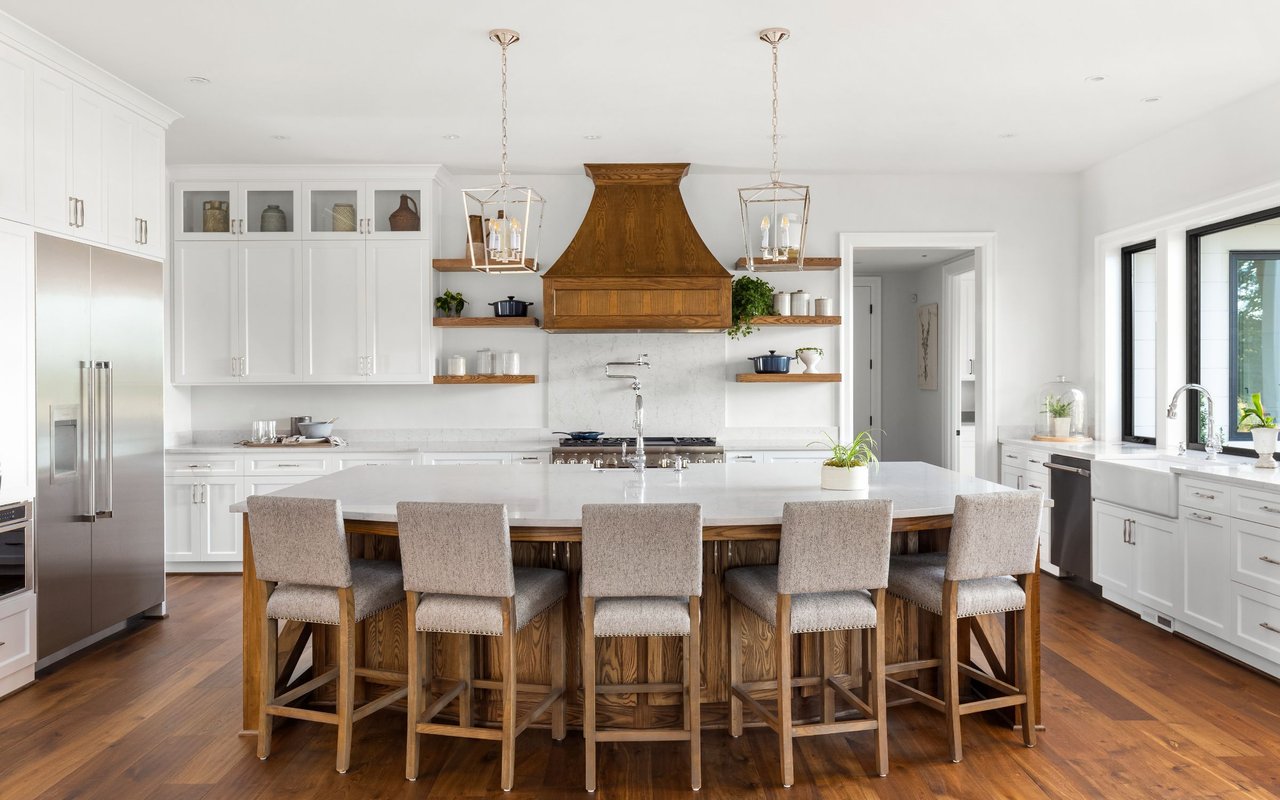
The biggest draw of new construction is usually the fresh start. You may get newer systems, modern layouts, and fewer immediate repair concerns than you might expect in an older home.
New construction can also offer some level of customization. Depending on the builder and stage of construction, you may be able to choose finishes, fixtures, or other design details that make the home feel more tailored to your needs.
There is also a practical appeal. If you want a home that feels current and move-in ready from day one, a new build can check that box in a way resale homes sometimes do not.
Tradeoffs of New Construction
The timeline can be less predictable than many buyers expect. The City of Sun Prairie’s new one- and two-family dwelling process requires permits, routes them through OpenGov, and includes inspections before, during, and after the work, with final inspections needed to close the permit.
That means your closing date may depend on construction progress, approvals, and inspections, not just your financing and paperwork. If you need a firm move-in window, that is an important point to weigh early.
You should also expect more than one layer of rules. The city explains on its neighborhoods page that homeowners associations are typically created by developers to manage common areas and amenities, and they may also review design changes. In many cases, HOA rules and deed restrictions can go beyond city regulations.
What Established Neighborhoods Offer
Established neighborhoods in Sun Prairie bring a different kind of value. The city says its neighborhoods include housing across price ranges, and it notes that neighborhood associations can help strengthen local ties, improve communication, and address local issues.
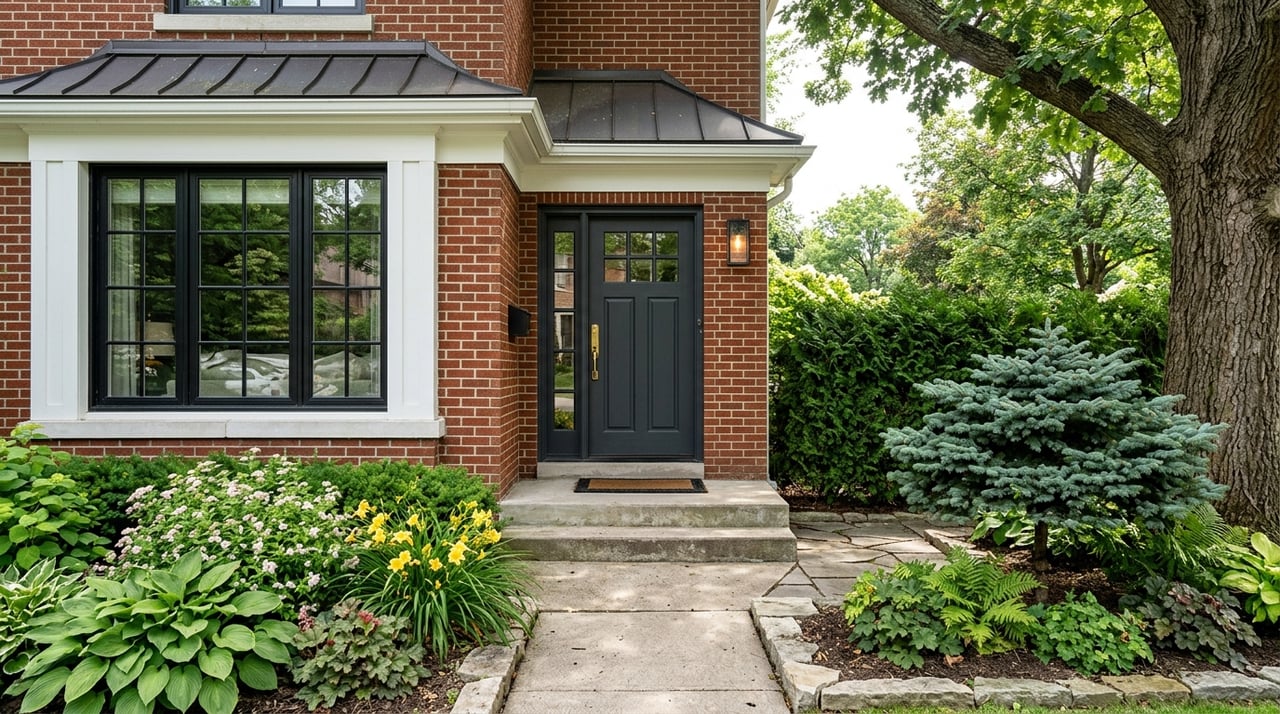
In simple terms, older neighborhoods may offer more than older homes. They may also offer a more settled environment, established streetscapes, and an existing sense of place that some buyers strongly prefer.
Benefits of Established Neighborhoods
One of the biggest advantages is immediate context. Instead of buying into an area that is still taking shape, you can usually see how the neighborhood functions today, from traffic flow to nearby parks to the mix of homes around you.
Amenities are another strength. Sun Prairie says its park and open-space system covers more than 400 acres and includes neighborhood parks, community parks, conservation areas, and special-use spaces. In more established parts of the city, you may also be closer to sDowntown Sun Prairie, which the city describes as a thriving business district with shops, restaurants, services, arts, and entertainment, along with the Sun Prairie Historical Library & Museum at 115 E. Main Street.
There is also the benefit of immediacy. With a resale home, you can usually move on a standard closing timeline rather than waiting on build progress and final approvals.
Tradeoffs of Established Neighborhoods
Older homes often need more due diligence. A house may have had roof work, HVAC replacement, basement finishing, window updates, or deck changes over time, and you want to know what was done and whether it was properly permitted.
That matters in Sun Prairie because the city requires permits for many common updates, including roofing, siding, windows and doors, decks, fences, lawn sprinklers, furnaces, air conditioners, water heaters, basement finishes, and other interior remodeling. The city’s building permit guidance makes it clear that permit history is a real part of evaluating an older home.
Established neighborhoods can also come with future maintenance costs that are easier to overlook during a showing. A home may feel move-in ready today but still have aging systems or exterior components that deserve a closer review.
Schools and Boundaries Matter
If school assignment is part of your home search, confirm it early. The Sun Prairie Area School District says it serves more than 8,500 students across 15 schools and directs families to use the school locator to verify attendance boundaries for a specific address.
That step matters in both newer and established neighborhoods. Boundaries can vary by address, and assumptions can create stress later in the process. The cleanest approach is to verify the exact property, not the general area.
Reinvestment Is Part of the Story
It is easy to think of established neighborhoods as static and new construction as the only path to future value. In Sun Prairie, that is too simple.
The city’s Tax Increment Districts page shows ongoing investment in Downtown and Central Main Street, including redevelopment projects and corridor improvements. A January 2025 city update also highlighted Main Street pedestrian-safety work such as wider sidewalks, upgraded crosswalks, decorative paving, landscaping, and ADA improvements.
That means some older areas are not just established. They are still improving. If you are comparing long-term value, it is worth looking at both where the city is expanding and where it is reinvesting.
Questions to Ask Before You Buy
Whether you choose new construction or an established neighborhood, the right questions can save you time and money.
Questions for a New Construction Home
- What is included in the base price?
- Which finishes or features count as upgrades?
- What is the target completion date?
- What could delay closing?
- Is landscaping or exterior work included?
- What HOA fees, deed restrictions, or design-review rules apply?
These questions matter because your final cost and move-in timeline may look different from the first listing price or projected completion date.
Questions for an Established Home
- What improvements have been made to the property?
- Were permits pulled for major work?
- Were final inspections completed and closed out?
- Is there documentation for updates such as roofing, windows, HVAC, or basement finishing?
- Are there any known upcoming repairs or maintenance needs?
For resale homes, the goal is simple. You want a clear picture of the property’s history, not just its current appearance.
Long-Term Value in Sun Prairie
Sun Prairie has several fundamentals working in its favor. The city projects continued population growth and lists a strong employer base that includes Sun Prairie Schools, Colony Brands, QBE Insurance, Costco, Target, Menards, and Milwaukee Tool on its demographic and economic data page.
That kind of growth supports demand, but it does not mean only one housing type makes sense. The Dane County Regional Housing Strategy annual metrics report says the region needs both more housing production and preservation of existing housing stock, noting that rehabilitation and energy-efficiency investments can help extend the life of existing homes.
For you, the takeaway is practical. A brand-new home can offer convenience, condition, and customization. A well-maintained established home can offer location, existing amenities, and upside tied to reinvestment and limited supply.
Which Option Fits You Best?
If you value a fresh start, newer systems, and the chance to personalize finishes, new construction may be the better fit. You just need to be comfortable with more moving parts, possible delays, and rules that may come from the builder, the HOA, and the city.
If you value immediate occupancy, established amenities, and a neighborhood that already feels settled, an existing home may make more sense. You will want to put more attention on permit history, maintenance records, and likely future repairs.
In our team’s experience across Dane County, this decision usually comes down to one simple question: do you want customization and brand-new condition, or do you want immediacy and a more established setting? If you want help sorting through that choice in Sun Prairie, MHB Real Estate can help you compare options, ask the right questions, and move forward with a clear plan.
FAQs
What is the biggest difference between new construction and established neighborhoods in Sun Prairie?
- New construction usually offers newer systems, modern finishes, and some customization, while established neighborhoods often offer immediate occupancy, existing amenities, and a more settled feel.
Where is most new construction happening in Sun Prairie?
- The city’s west side has been a primary growth area, according to the City of Sun Prairie Westside Plan, though Sun Prairie is also seeing redevelopment and reinvestment in downtown and Central Main Street areas.
Do Sun Prairie new construction homes usually have HOA rules?
- Many do. The city says homeowners associations are typically created by developers to manage common areas and amenities, and they may also review design changes or apply deed restrictions.
What should you verify before buying an older home in Sun Prairie?
- You should ask about major updates, whether permits were pulled when required, whether final inspections were completed, and whether the seller has documentation for work such as roofing, HVAC, windows, decks, or basement finishes.
How do you confirm school attendance boundaries for a Sun Prairie home?
- The Sun Prairie Area School District says families should use its school locator tool to confirm attendance boundaries for a specific address.
Is an established neighborhood in Sun Prairie still a good long-term investment?
- It can be. Sun Prairie has projected population growth, ongoing downtown and corridor reinvestment, and regional support for preserving existing housing stock alongside new development.